
Residents and parish councils object to plans for chicken farm in Lincolnshire village
Villagers objecting to plans for a chicken farm near Spilsby have expressed their concerns at a public meeting.
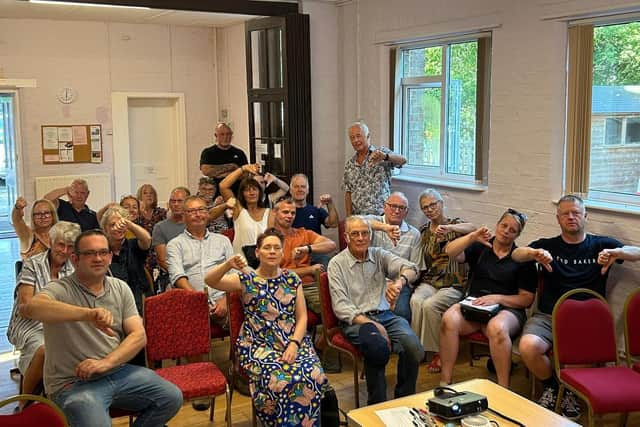
Around 50 residents came together to oppose plans for a new poultry unit in Keal Cotes.

The proposal – to build six 80ft by 360ft units to house 270,000 chickens - has met strong opposition from nearby residents.
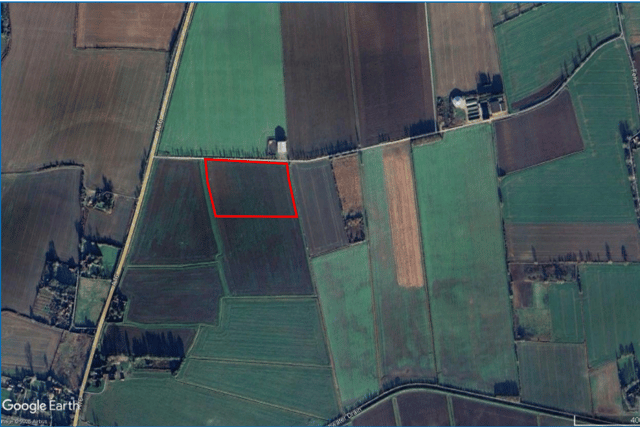
Plans submitted to East Lindsey District Council by Lincolnshire firm Hawkes Ltd, would see the new poultry facility built on land off the A16.
Around 80 complaints have been lodged – including from both Keal Cotes and West Keal parish councils – with one letter in support.
Objectors pointed to the potential impact that noise, flies and “bad smells” could have on nearby homes - along with concerns for the local road infrastructure.
However, the applicant, Hawkes Ltd, states that designs were carefully chosen to “minimise its effect on local residents” – with landscaping plans including trees and a wildflower area, along with the use of modern equipment to reduce potential smells.
Neighbours attended a community meeting at The Keals Village Hall on August 13 to discuss the development. The meeting was also attended by Simon Hawkes, of Hawkes Ltd.
One resident said: “We already have two factory chicken farms within a mile to the south of our property and live with increased traffic, odour and noise. There is a considerable amount of mechanical noise from cleaning equipment and filling the grain hoppers and lorries passing at all hours. If there was a further development to the north, but closer to our property, we would be subject to noise and odours from almost every angle.”
The submitted plans state that “each proposed poultry unit will accommodate 45,000 broiler birds” adding “the site will therefore accommodate a total of 270,000 broiler birds at any one time, with a total of 7.5 flocks of birds per annum”. Attendees noted this would result in more than two million birds passing through the farm each year.
A second resident said: “The thought of this landscape being blighted by this development is wrong.” Another added: “In this area, there are numerous intensive chicken sheds already.”
The meeting was hosted by the activist group Communities Against Factory Farming (CAFF). Jo Lazarus, Campaign Coordinator at CAFF, said: “Residents came together to express their anger and upset over the proposed new intensive chicken farm. Many shared fears about odour and road safety problems that come with this sort of development, as well as concerns about the cumulative impacts of all the waste the farm would generate.”
However, writing in support of the plans, one Revesby resident, who attended the meeting said: “It very soon became clear it [the meeting] was organised by a political lobbying group, CAFF, based in London, whose primary objective is to undermine the legal routes farmers have to produce meat for the ever growing population of the UK.”
Speaking to the Standard, Simon Hawkes said: “I felt the village meeting went well and I was pleased to have the opportunity to attend, listen to residents and hear their concerns directly. I completely understand that a development of this nature will generate questions, particularly among people who have not previously had experience of a modern poultry unit.
“However, I was disappointed that much of the discussion appeared to focus on what could potentially go wrong rather than on the safeguards that actually form part of this proposal.
“A great deal of thought has gone into choosing and designing this site specifically to minimise its effect on local residents and the surrounding countryside. The poultry buildings will be more than 400 metres from any residential dwelling. They are deliberately low-level buildings and we propose a tree-planted earth bund around the site to provide additional screening and reduce the visual impact of the development.
“Odour and flies were understandably raised at the meeting. The proposed buildings use modern high-velocity ventilation systems which help maintain dry litter conditions. Keeping litter dry is extremely important in controlling both odour and flies. This is not an unregulated operation either: the farm will require an Environment Agency permit and will have to operate within the environmental conditions that come with that.
“Traffic was another major concern. The site has been chosen so that delivery vehicles and other farm traffic do not need to access the development past residential properties. There will be a dedicated site access, together with facilities including a wheel wash.
“We are also trying to make this a highly sustainable development. Rainwater will be harvested for use on the farm, reducing reliance on utility water, and the roofs will incorporate solar generation. The intention is to generate sufficient renewable electricity to operate the site, with surplus electricity being exported back to the grid.
“Animal welfare is most important to us. The farm will operate to high welfare standards and will be Red Tractor assured. Modern poultry buildings allow ventilation, temperature, feed, drinking water and litter conditions to be carefully controlled and monitored.”
He added: “Modern British agriculture has to balance producing affordable food, maintaining high animal-welfare standards, protecting the environment and being a good neighbour. That is what we are trying to achieve with this proposal. We are local farmers and we care about the area in which we live and work. We would not be proposing a development that we did not believe could be operated responsibly.”
Plans for the farm were initially submitted to East Lindsey District Council on May 15. The application is currently awaiting a decision from the authority.