
COLUMN: Gardening on a Budget - August Growing
August is a brilliant month for gardeners who want results without spending much.
The garden is often at its most productive, with courgettes, beans, tomatoes, herbs and soft fruit ready to pick, but it is also the ideal time to plan ahead. A few simple jobs now can keep your plot, patio or windowsill productive into autumn and next spring.
Start with seed saving. On a dry day, collect ripe seeds from flowers such as sweet peas, aquilegias and love-in-a-mist, then store them in labelled paper envelopes. You can also take cuttings from herbs such as lavender, rosemary and mint. Choose healthy, non-flowering shoots, place them in gritty compost and keep them watered while they root.
For cheap late-season crops, sow only what you will eat. Rocket, radish, spinach, winter lettuce and oriental leaves germinate quickly in warm August soil, and small repeat sowings avoid waste. If space is tight, reuse buckets, trays or old bowls with drainage holes. A windowsill, doorstep or balcony can still produce herbs and cut-and-come-again salad.
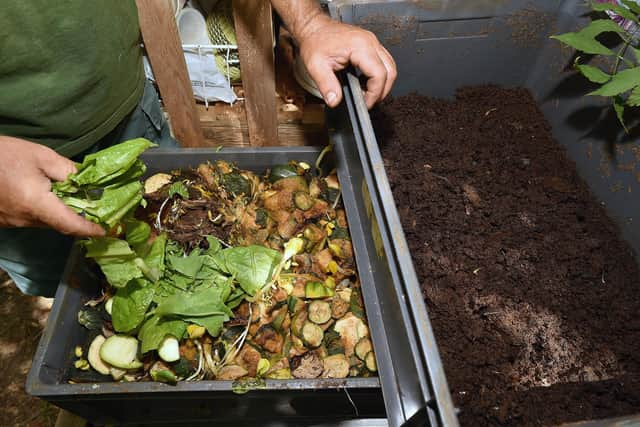

Water wisely to save money and protect plants. Use a water butt if you have one, or reuse clean household water from rinsing vegetables. Water early or late, aim at the soil, and mulch with homemade compost, grass clippings, leaf mould or damp cardboard to keep moisture in and weeds down.
Keep crops producing by picking often. Courgettes, beans and tomatoes all reward regular harvesting, and gluts can be frozen, shared or swapped. Herbs can be chopped into ice-cube trays with water or oil, or dried in bunches, giving you flavour through winter without buying supermarket packets.
Finally, make August a month of recycling. Turn peelings, spent plants and cardboard into compost; clean and store pots for next year; and ask neighbours or community groups for spare seeds, strawberry runners or divided perennials. Budget gardening is about making every seed, drop of water and harvest go further.
Top tips for August budget growing:

- Save seeds in labelled paper envelopes.
- Sow quick crops in small batches.
- Reuse containers with drainage holes.
- Water early or late, then mulch.
- Pick crops regularly to keep them producing.
- Swap spare seeds, plants and gluts locally.
This column has been provided by resident gardener Kate Giffen