
District’s town of culture bids make people ‘more aware’ of their local area, councillor says
District's town of culture bids will make people 'more aware' of their local area, councillor says v.1
A leading councillor says his district’s town of culture bids have already helped make people ‘more aware’ of the area’s rich history.
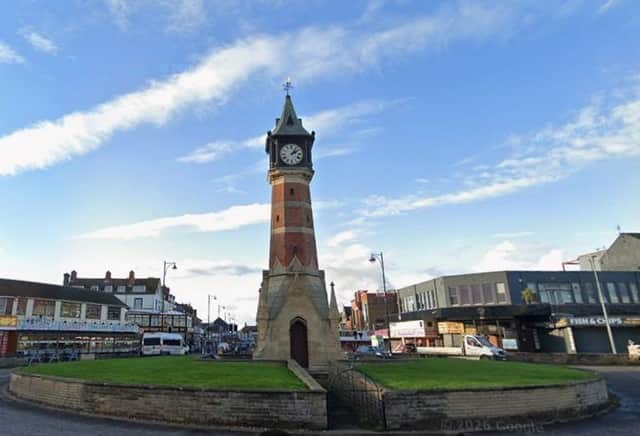

Deputy leader of East Lindsey District Council (ELDC), Graham Marsh (Conservative – Alford), spoke to the Local Democracy Reporting Service about its three bids for the government’s town of culture competition – and explained why he thinks each of the towns put forward deserve to be in contention.
The winning town will be awarded £3 million to deliver a cultural programme in 2028 for about six months.

ELDC has put forward three bids for the town of culture competition – one for Skegness, another for Louth and a joint bid for Horncastle and Spilsby.
Skegness has submitted its bid through the Skegness Neighbourhood Board.
Coun Marsh said that the town’s programme of cultural events was the main reason that the town had been put forward.
He added: “Skegness attracts a tremendous amount of visitors to do all sorts of things but it’s very much a traditional seaside town.
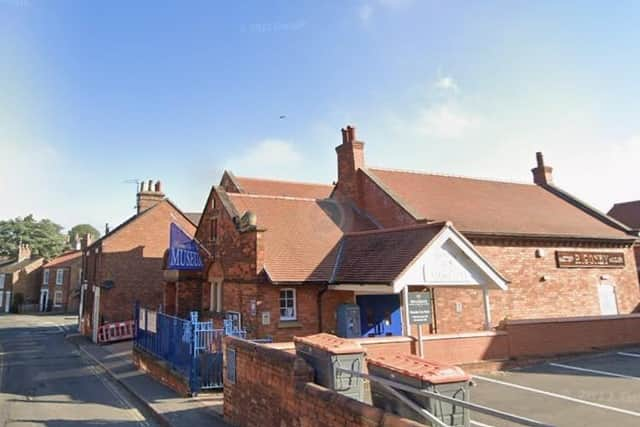
“We found that the people that come year after year, weekend after weekend, they come to it because of its actual nature and culture.”
Louth is leaning into its cultural and heritage strengths in a bid to win over the judges/
Coun Marsh added: “Louth, is again, another unique place in its own right. Lots of history, lots of culture – which they look at themselves as the gateway to the Wolds.
“As you know, the Wolds is an Area of Outstanding Natural Beauty, and it attracts a completely different clientele.”
Coun Marsh told the Local Democracy Reporting Service that Horncastle and Spilsby were put forward as a joint bid because their history was heavily interlinked.
He added: “The reason that Horncastle and Spilsby are joining together to put an application in is because they have got significant sons and daughters who have been involved in exploring and opening up the world.
“So, they’ve got a cultural history of being very active about how they’ve expanded Britain’s rule all over the world, and how they’ve affected culture in other countries.
“So, it seemed a good mix to put those two together to show how the two towns actually have a lot in common.”
Coun Marsh explained that all of the bids were being organised by local people within each of the towns – with ELDC supporting each of these communities to develop their case.
Coun Marsh added: “The problem we have, of course, well it’s not a problem, I think it’s a strength, is that we’re smaller than some of the bigger towns that will be put in bids and we’ve got an awful lot more history to add to that.
“For me, culture is all about your history – what you’re doing now, what you’ve done in the past, and how you see yourself in the scheme of things.
“We’ve got a really strong cultural background – all our assets and people – and we just wait to see if the government selects us for either the winning prize, which we hope for, or one of the supporting prizes.
“But even if we don’t win, it’s been a massive tick as far as I’m concerned, because it’s made more people aware of their culture than they maybe were before.”
The government will assess each of the bids and decide which it thinks is suitable for the winning prize – as well as the runners up.
The DCMS said it will award a bid development grant of £60,000 to each of the shortlisted towns – and these places will be able to use this money to put together a full application.
The government will decide on a shortlist of towns, before deciding on which one it believes should be crowned Town of Culture in 2028.
The competition is led by the Department of Culture, Media and Sport (DCMS) and aims to celebrate the culture and identity of towns across the UK.
DMCS said it will assemble a panel of experts which will select the best small, medium and large towns from the full applications which it receives.
The government department said the competition aims to improve civic pride, promote social cohesion and boost the local economy.