
Days left to have say on defining application for Lincolnshire
The public have days left to submit comments on what could be one of Lincolnshire’s most important planning applications.
The substation on a 32-acre site at Heath Lane in Navenby, between Lincoln and Sleaford, would be used to connect a host of nearby solar farm projects.
National Grid has submitted plans in response to demand from developers, who say it will be a major step forward in renewable energy.
The application will be determined locally by North Kesteven District Council, rather than Whitehall, meaning campaigners see it as a chance to block the projects.
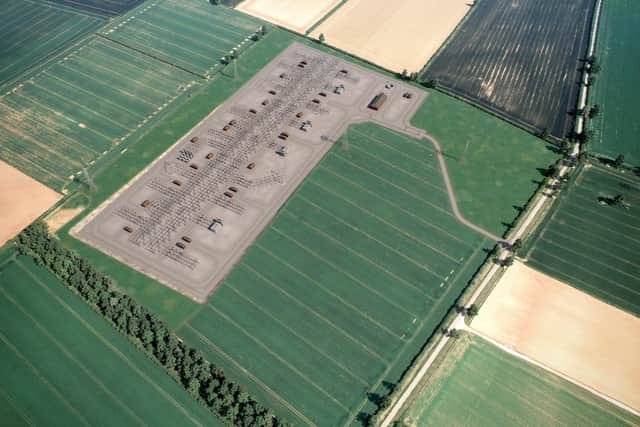

It has attracted more than 500 comments on the council’s planning website, with many claiming it would be environmentally damaging and would harm the landscape’s appearance.
The public consultation will close on Sunday, August 23.
Councillor Marianne Overton, who leads the Cliff Villages Solar Action Group, said: “Local people are very concerned about the proposal, and there’s been a strong response.
“We had a meeting in Navenby this week and some people had to stand because so many turned up.
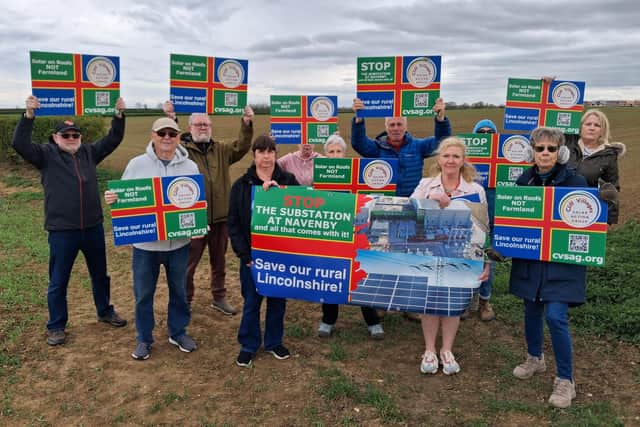
“We know there are at least seven applications relying on it, and, once it’s connected, it will open the door for many more.
“The public have until August 23 to submit a comment. It’s important that people who are objecting talk about planning grounds, such as how it would change the character of the area from rural to industrial.”
Go to https://planningonline.n-kesteven.gov.uk/online-applications/ Reference is 26/0575/FUL or go to https://object.now/navenby/
If permission is granted, construction would begin next year and it would become operational by 2029.
Matt Doherty, project development manager at National Grid Electricity Transmission, said: “Feedback from our consultation has directly shaped these proposals, including changes to the design and landscaping of the site.
“The proposed substation is needed to support growing electricity demand and will help ensure communities across Lincolnshire have a resilient and reliable power supply as everyday life becomes increasingly electrified.
“Strengthening the network is essential to support local businesses, future jobs and the connection of more secure, cleaner, home‑grown energy from more affordable sources.
“We also want host communities to see clear benefits, including community funding for local projects, skills, jobs, and environmental improvements.”