
WATCH: 'Wildlife guardians' take on night vigils to protect rare chicks at Lincolnshire nature spot
This year marks the 50th anniversary of Gibraltar Point’s shorebird sanctuary on the outskirts of Skegness - and the determined wardens who protect it.
To honour the milestone, Standard reporter Gemma Gadd went along to meet one of shorebird wardens, Mike Watts, who has shown incredible dedication - not only in protecting rare bird species, but in using his skill behind the camera to document their progress.
Wildlife Guardians
Managed by Lincolnshire Wildlife Trust, Gibraltar Point Nature Reserve is the last breeding site in the county for Little Terns - making it an important area to protect. It is cared for by a team of staff and volunteers with a passion for conservation.
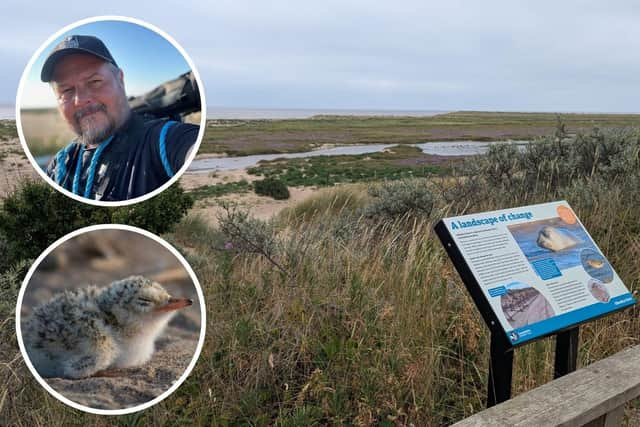

One of those is Mike Watts, who quit his office job to become a warden at the protected shorebird sanctuary. Like all wardens, Mike is licensed to camp out at the site - which is closed off to visitors during the nesting season from April to September. Wardens monitor the sanctuary 24/7 – with some camping out from dusk until dawn.
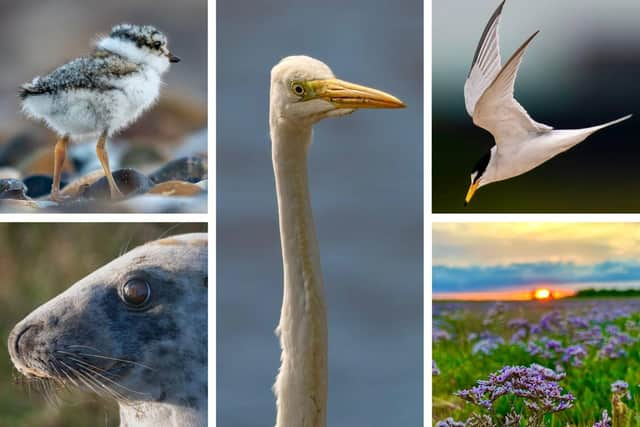
Species such as the Little Tern and Ringed Plover are considered at risk due to their population decline – the main threats being habitat loss, disturbance and predation. Mike and the team have been working hard to turn the tide for these little birds.
Life as a Night Warden
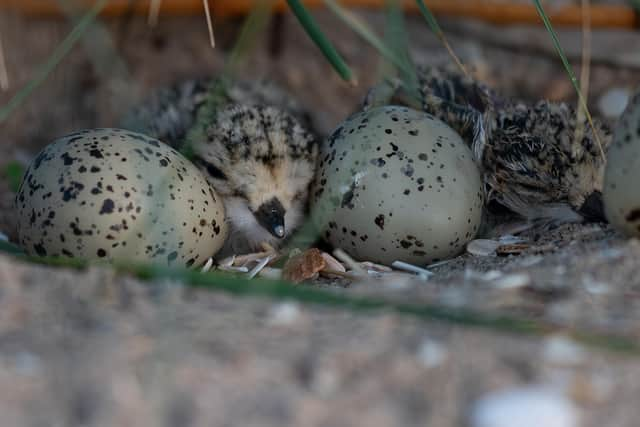
Protecting the eggs and chicks has given Mike what he calls a ‘sense of purpose’: “I wasn’t quite preparing to become so emotionally attached to the chicks,” he admits. “It may sound silly, but as wardens we watch them develop from being a tiny, little egg - to a fledgling taking its first flight. It’s something we all seem to experience, along with a profound connection to the nature here.”
Mike has been a warden for the past two years, starting as a volunteer before that. It is a remarkable change of pace for the 58 year-old, from Friskney, who has a background in IT and spent years commuting down south for a job on the London stock exchange. Now his workplace is the serene and undulating landscape of Gibraltar Point.
"It’s not a bad office is it,” he remarks, pointing to the landscape. “Many of us are so divorced from nature, but I’ve found that being here can be hugely beneficial to your mental health, which underlines just how important our nature and wildlife is.”
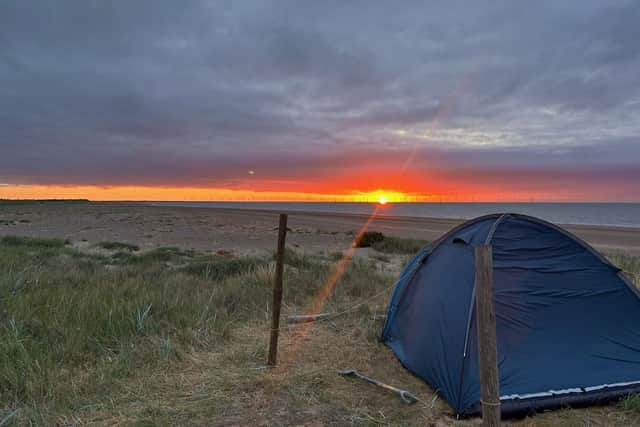
In the distance, a tiny dot on the horizon can be seen. This is the night warden's tent, pitched on the remote southernmost tip of the reserve.
With other wardens working during the day, Mike’s night watch begins with a one-mile journey on foot to the tent, armed with a head torch, long-lens camera, thermal vision, log book, and a big flask of coffee.
“This shift starts at around 10pm and goes on until 5am,” he explains. “I sleep during the day, so I can stay awake throughout. A typical night sees me patrolling the fence line, listening out for alarm calls from the birds, and heading out with my torch and thermal camera to check for predators.”
Along with having to scare off foxes and birds of prey - Mike said he’s also come across interference of a more human nature. "We’ve found people camping here before and had to move them on,” he recalls. “We’ve also had fishing trawlers come to the area under the cover of darkness.”
Asked about his first night in the role, he said: “It was so quiet that I was aware of every single sound and began wondering if there were people lurking in the bushes! But after a few nights, the noises from wildlife became more of a comfort – even the wail of the seals coming ashore at 2am!”
Few people ever get to experience what it’s like to immerse themselves in such a wild habitat, let alone after dark. For Mike, it’s the unexpected moments with the animals that truly resonate.
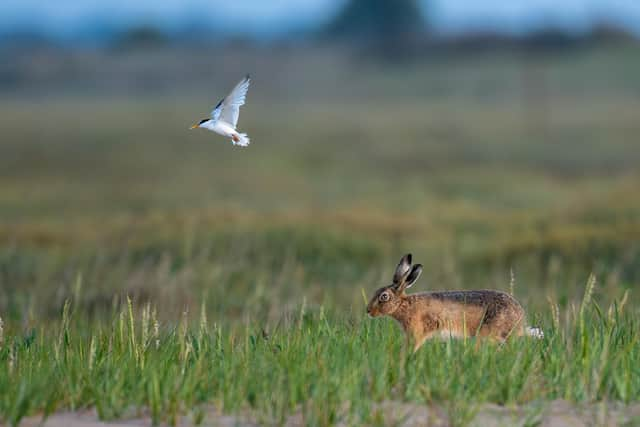
"A few times I’ve seen a hare just sitting on the beach and looking up at the stars for 10-15 minutes,” he said. “Whether it is something mystical going on that we don’t understand, or some other reason, I don’t know. But it is lovely to witness.”
Similarly, the Standard recently featured a stunning shot Mike took of a deer after it appeared to be enjoying a dip in the sea – behaviour that is uncharacteristic for the species.
One of the more unfortunate sights wardens encounter is rubbish. “We’ve had all sorts of plastic waste washing up here,” Mike adds. “Discarded fishing nets and lines pose a real danger to wildlife, along with helium balloons because of the strings attached.”
From egg to Africa
“The Little Terns fly here all the way from West Africa to lay their eggs,” Mike explains. “This year we recorded just under 50 chicks, but last year we had under 20. Likewise, we’ve had 56 Ringed Plover chicks this season, but under 40 in 2025. The long warm dry spells since May have helped them this year.”
Mike’s night shifts conclude in September, when the Little Terns make their 4000-mile journey back to Africa. But after waving off his winged companions, there’s still plenty of work to be done - with the wardens packing away all the protective equipment and continuing their day-time duties to conserve the site for the wildlife that call it home.
From deer, hare, weasels and seals, to various species of birds and an abundance of insects – Gibraltar Point Nature Reserve is something we should all be passionate about protecting.
How can you help?
• Pay attention to signs – especially at the shorebird sanctuary
• Stick to designated paths
• Keep dogs on leads and respect exclusion zones
• Volunteer for Lincolnshire Wildlife Trust
• Take part in organised beach cleans
• Never leave rubbish on the beach
• Don’t release balloons
For more information about Gibraltar Point Nature Reserve, visit www.lincstrust.org.uk