
Viking Way walk of the month - Woolsthorpe by Belvoir
A circular route around Woolsthorpe by Belvoir
If you're looking to blow away the cobwebs this November then check out this month's Viking Way at 50 Walk which offers big views, local history and one of the country's most impressive landmarks - all packed into a relatively short route.
Lincolnshire County Council has been celebrating the long distance walking route’s 50th anniversary with a monthly series of shorter walks focusing on stretches of the Viking Way
This latest instalment is a circular walk that is centred around the village of Woolsthorpe by Belvoir. The 2.75-mile circular route takes around an hour-and-a-half to complete and follows a section of the Viking Way along the Grantham Canal, before looping back to the village.
Despite its modest length, there's plenty to enjoy along the way. There's waterside walking, wide open countryside and a fascinating glimpse into the area's industrial and agricultural past. On a clear day, walkers are rewarded with far-reaching views across the surrounding landscape, while the final stretch delivers a stunning outlook towards Belvoir Castle and across the Vale of Belvoir.
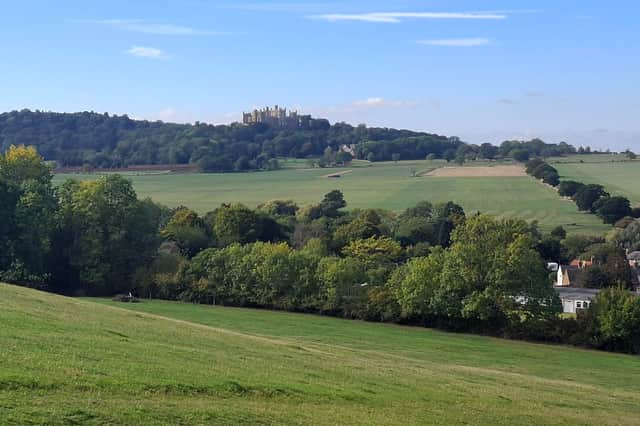

The walk begins in Woolsthorpe by Belvoir, a picturesque village sitting on the River Devon close to the Lincolnshire and Leicestershire border. Located around five miles west of Grantham, it is a place rich in history and character. The village name is believed to derive from the Old English personal name "Wulfstan" combined with the Old Danish word "thorp", meaning Wulfstan's settlement.
As you make your way through the village, it's worth taking a moment to appreciate the many attractive cottages built from locally quarried honey-coloured ironstone. The stone gives the village its distinctive appearance and helps create a real sense of place before you head out into the surrounding countryside.
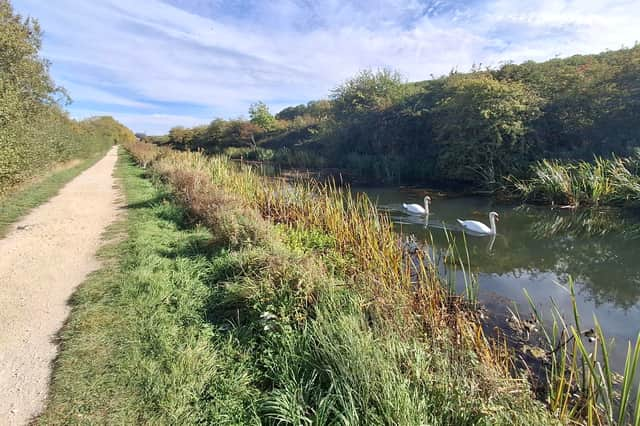
A significant part of the walk follows the towpath of the Grantham Canal. Stretching for 33 miles between Grantham and Nottingham, the canal first opened in 1798 and was originally constructed to transport coal into Grantham itself. It remained a busy transport route until the arrival of the railway in the mid-19th century gradually reduced waterborne traffic. Although the canal eventually closed in 1936, parts of it remain navigable today and ongoing restoration work aims to bring more of the waterway back into use.
The area's transport heritage doesn't end there. Along the route, walkers pass between the abutments of a former railway bridge that once carried the Woolsthorpe branch. The railway was built to transport ironstone from local quarries to a junction on the Grantham to Nottingham line and remained in use until its closure in 1974. While the trains have long since disappeared, traces of the line can still be spotted in the landscape.
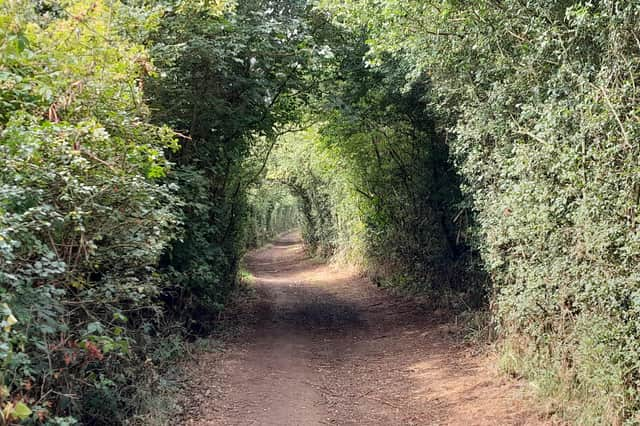
Nature is never far away on this section of the Viking Way, either. Look out for the mature ash, oak and sycamore trees lining parts of the route. Many are hundreds of years old and provide valuable habitats for a wide range of wildlife, offering food, shelter and nesting opportunities for birds, insects and small mammals throughout the year.
And as we're right into the month now, it's worth saying that November can be a particularly rewarding time to walk here. As the last autumn colours cling to the trees and the landscape begins to settle into winter, the open views become even more striking. The quieter season also makes it easier to appreciate the area's history and natural beauty at a gentler pace.
Perhaps the most eye-catching feature of the walk comes towards the end. Perched above the surrounding countryside, Belvoir Castle dominates the skyline and provides a dramatic focal point for the return journey. There has been a castle on the site for more than 900 years. Originally built in 1067 by Robert de Todeni, standard bearer to William the Conqueror, it has been rebuilt several times over the centuries following both destruction during the Civil War and a devastating fire at the end of the 18th century. The striking Gothic Revival building seen today remains home to the Duke and Duchess of Rutland.
If you want to see a video of the walk, go to: https://www.visitlincolnshire.com/things-to-do/walking/viking-way-shorts-woolsthorpe-belvoir/
Or see below.
And don't forget that if you're heading out with children, then do take along the Viking Way I-Spy sheets or the list of 50 Things to Look Out For along the Viking Way. They are a great way to keep younger walkers engaged and encourage them to explore more of the landscape around them. Maps, directions and activity sheets can all be found on the Visit Lincolnshire website before setting off.
And if you're taking part in the Viking Way badge challenge, every mile counts towards your target. Walk 50 miles for bronze, 100 miles for silver and the full 149 miles for gold. This route may be a shorter one, but it's another step towards completing the challenge.