
The man reshaping British gardening: Mark Lane speaks out
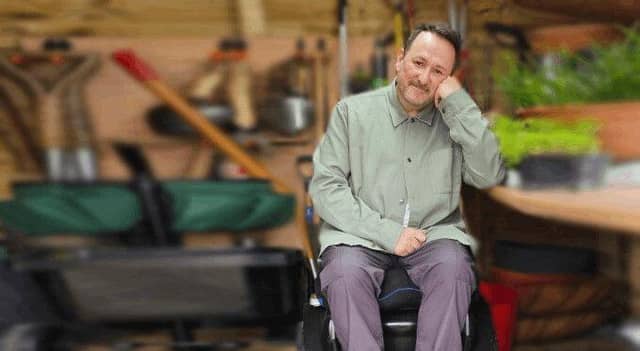

Based in Market Rasen, Lincolnshire, Mark Lane continues to influence how Britain thinks about gardens, accessibility and inclusive design.
Mark Lane has reshaped how Britain views gardens, accessibility and design. An award-winning garden and landscape designer, broadcaster, writer and disability speaker, he became the first wheelchair user to design gardens professionally and to present gardening on British television.
A familiar face on BBC One’s Morning Live and a contributor to major horticultural events and publications, his work continues to challenge assumptions about who gardens are for and how they should function.
In this exclusive interview with the Diversity & Inclusion Speakers Agency, he reflects on resilience, representation and the power of inclusive design.
Q1. You made history as the UK’s first wheelchair-using garden designer and television presenter. Looking back, how has that journey reshaped both your professional identity and the wider perception of disability within the gardening world?
Mark Lane: “It hasn't been simple and it hasn't been easy. I'll say that. What began as a life-changing event became a catalyst for redefining my identity and discovering a deeper conversation with the natural world. Moving from walking in gardens to navigating them in a wheelchair changed my perspective physically and emotionally and invited me to reimagine what inclusive design could be.
“I often encounter spaces where people didn't expect a disabled designer to lead. Rather than a barrier, I use this to challenge perceptions and open doors for others. Instead of hiding my disability, I chose to embrace it as part of my story. It became a powerful tool in advocating for inclusive design and representation in the media.
“My lived experience shaped my approach to design, proving that gardens can be both beautiful and functional, that everyone regardless of ability can enjoy and use them. There are moments of uncertainty and resistance, but each challenge reinforced my belief that representation matters and that seeing yourself reflected in media can change lives.
“Becoming the first wheelchair user to present gardening on national TV wasn't just a personal milestone. It helped shift public perceptions of disability in mainstream media, especially with regards to gardening.
“Through my journey, I've demonstrated that gardens are not passive spaces. They are restorative, empowering and accessible spaces that can foster independence and joy. My career has helped spark important discussions about inclusivity, well-being, and the healing power of nature across design, broadcasting and society in general.
“My journey hasn't ended. I'm still here. Every project, every broadcast is an opportunity to prove that good design includes everybody and that difference is not a limitation. It's a source of creative strength.”
Q2. You often speak about turning barriers into pathways. In practical terms, how does that philosophy shape the way you design gardens and approach inclusive spaces?
Mark Lane: “Instead of viewing limitations as end points, I treat them as prompts to be innovative, to adapt, and to rethink what's possible. In other words, thinking outside the box. My experience with disability didn't close doors, it opened new ones.
“It guided me to champion inclusive design that benefits everyone. Barriers become pathways when the question moves from limitation to collaboration, finding creative routes forward rather than accepting a closed gate.
“Each accessible feature I introduced isn't a compromise. It's an improvement that invites more people to connect with nature, independence and joy. When I encounter a space or system that isn't accessible, I use it as fuel to redesign a better, more inclusive future and space for all.
“My wheelchair isn't a barrier. It's a vantage point that gives me a unique understanding of movement, comfort and human interaction with landscape. I have a unique perspective having gone from being able to walk to now being in a wheelchair.
“Being visible in media and design is not just about personal achievement. It's about creating a pathway for future generations to feel seen and supported. Every challenge is a moment of choice, to pause in order to pioneer, and my path has always been to pioneer.”
Q3. You have built a multi-faceted career across design, broadcasting, writing and public speaking. In what ways has resilience underpinned your longevity and credibility within such a competitive field?
Mark Lane: “Initially, overcoming early career challenges meant navigating the competitive world of professional garden design and establishing credibility in a field with many established names. Persisting through early setbacks such as projects not being accepted by clients or having differing visions meant learning to adapt and innovate rather than give up.
“Adapting to public media demands also required resilience. Transitioning from a hands-on garden designer to presenting on high-profile platforms like BBC Morning Live and Gardeners’ World required learning new skills, handling live audiences and dealing with scrutiny, while managing the pressure of live broadcasting under unpredictable conditions like weather challenges or last minute schedule changes.
“Sustaining a multifaceted career, balancing work as a garden designer, author, media presenter and public speaker, each with differing expectations and deadlines, has demanded mental stamina and organisation. Thankfully I'm a little bit OCD when it comes to organisation.
“Resilience has allowed me to maintain creativity and innovation across all platforms without burning out, showing persistence and passion despite those competing demands.
“Embracing criticism and learning from mistakes has also been important. Public facing work invites criticism, whether from viewers, readers or clients, and using that feedback constructively helps refine design style, media presence and my writing voice. Setbacks become opportunities to evolve rather than discouragement, demonstrating a growth mindset.
“There is also navigating health and disability challenges, incorporating resilience in managing personal health or disability related obstacles while sustaining an active hands-on career in gardening. Advocating for accessibility and inclusivity in garden design turns personal experiences into expertise that informs practical and thoughtful design solutions.
“Innovating in the face of environmental change is another major area. Responding to climate change, biodiversity loss and evolving gardening trends requires adaptability, persistence and creative problem solving. Resilience is evident in my ability to integrate sustainable practice into design work and educate audiences about ecological responsibility.
“When it comes to publishing and writing, completing and promoting books involves sustained focus and resilience in the face of rejection, editorial feedback and a highly competitive publishing industry. It demonstrates commitment to my vision and voice, persisting until projects are realised successfully.
“Continuously cultivating relationships within the gardening community and the media and publishing sectors requires patience and persistence. Resilience has helped maintain my credibility and trustworthiness as both a designer and a public figure.
“I also love giving back, mentoring and being involved in community engagement, fostering an online and real world gardening community and responding positively to diverse audience needs, questions and criticisms.
“Staying relevant in an era of social media, podcasts and digital gardening content requires embracing new platforms and technologies while remaining true to my expertise and values.
“Lastly, sustaining reputation and influence across design, media, writing and education requires consistent professionalism, adaptability and perseverance. Resilience has underpinned my ability to maintain credibility and influence despite industry fluctuations.”
This exclusive interview with Mark Lane was conducted by Tabish Ali of the Motivational Speakers Agency.