
COLUMN: Every drop counts: Responding to drought across Lincolnshire
The last 18 months have brought some extraordinary weather to Lincolnshire.
Between November 2025 and February 2026, Lincolnshire experienced its wettest period on record. This was followed by an exceptionally dry spring and summer, with July recording less than 1mm of rain.

After such a wet winter, it may seem surprising that we now find ourselves in drought. But five consecutive heatwaves and months of very little rainfall have taken their toll. Water has been used faster than nature can replace it, putting pressure on rivers, wildlife, agriculture and public water supplies.
Our teams have been working extremely hard with farmers, growers, water companies and other partners to manage those pressures and make the best use of the water available.
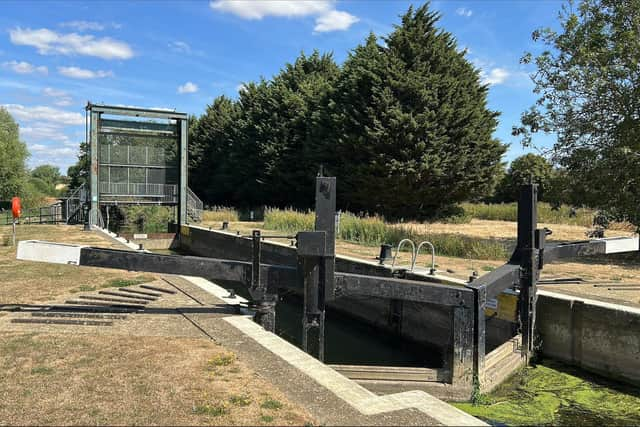
A vital part of that work is the Trent Witham Ancholme River Transfer Scheme. Operated by the Environment Agency since 1974, it moves water to where it is needed between three major rivers : the Trent, the Witham and the Ancholme,and supports more than 100 abstraction licences held by water companies, farmers and other users. You can read more about this work here: https://www.gov.uk/government/news/environment-agency-takes-action-during-dry-weather-in-lincs.
Dry weather affects more than water supplies. It also has a serious impact on wildlife. Warm water holds less oxygen, and when river levels are low, dissolved oxygen can fall quickly. Fish in distress may gasp at the surface, move frantically or become unusually lethargic.
If you see this happening, please report it to our free 24-hour incident hotline on 0800 80 70 60. This summer, we have successfully raised oxygen levels and helped fish in several locations, including the River Slea and a Lincoln and District Angling Association stillwater.
Slow-moving water can also lead to duckweed forming on Lincolnshire’s rivers, particularly the River Witham. Duckweed is a natural plant, but warm conditions and slow flows can allow it to spread quickly. More information is available in our article: https://environmentagency.blog.gov.uk/2023/05/31/everything-you-need-to-know-about-duckweed-on-the-river-witham/.
Another pressure we have faced this year is vandalism at our locks. Some people have interfered with lock structures to create fast-flowing water. This is extremely dangerous. These structures contain powerful currents and hidden underwater hazards that could cause serious injury or loss of life. It also allows valuable water to escape at a time when every drop matters. If you witness this behaviour please call the police on 999 and report it to our 24/7 incident hotline number 0800 807060.
By following any restrictions and using a little less water where possible, we can help protect supplies until a sustained period of rainfall arrives. If you take one thing from this article, let it be this: every drop counts. Together, we can help protect Lincolnshire's water, wildlife and communities.
This column has been provided by Leigh Edlin, Area Director for the Environment Agency in Lincolnshire and Northamptonshire